What exactly is going on here?
Here to Disappear is a media experiment in the journalism of consciousness.
I intend to patrol the frontiers of the somewhat resurgent study of consciousness and chronicle strange zones of miraculous happenings. I intend, more specifically, to write narrative journalism engaging with the extremely varied sciences, practices, technologies, and implications tangled up in our ongoing efforts to make sense of the mind and its capabilities. This is my idea of a good time.
Do not be alarmed by occasional forays into political economy, because economies are always in the business of producing minds. I am interested in varieties of the question: WHAT is going on here, and what shall we do about it?
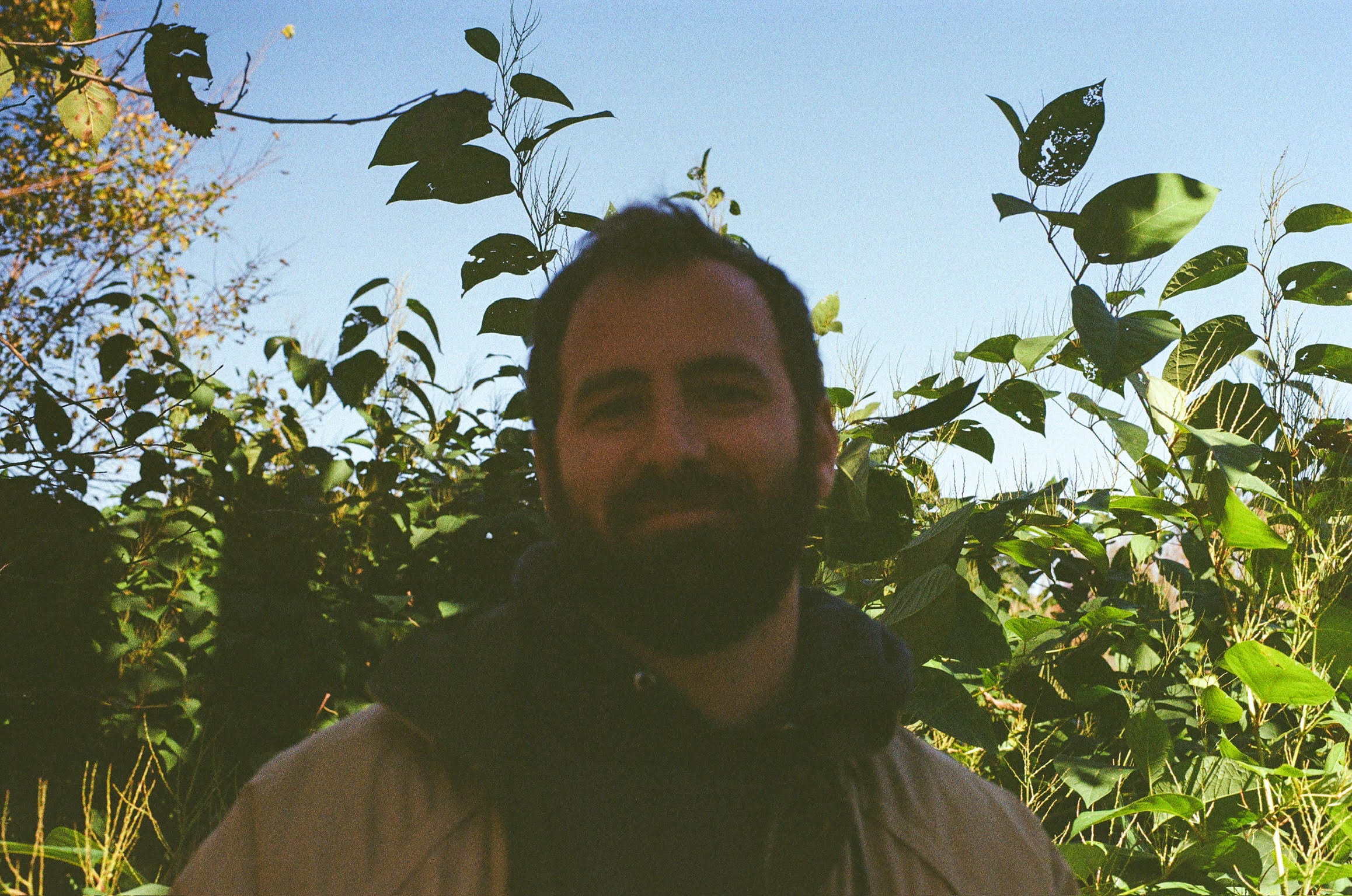
Hello, I am Oshan Jarow
I’m a writer interested in the mind and economics. My journalism has appeared in Vox, Asterisk Magazine, and is forthcoming in Aeon. I’ve also produced large freelance media projects, like a podcast series about transformative meditation experiences. You can read more about my work on my website.
A few things you can expect
Deeply researched, slowly published essays. I admire writers who lug around an inexhaustible sack of opinions from which they manifest a new article each week. I am not one of them. My essays usually involve unreasonable heaps of research, travels in pursuit of seeing something fleshier than pixels, conversations with strange creatures doing interesting work, and finally, an arrangement of words that finds some modicum of sense, meaning, and delight in the whole mess. This takes me a while, and I’ll take it, because I only want to publish essays that might be worth your time.
Reportage about real happenings along the frontiers of consciousness studies. I tend to call myself a “writer” rather than a “journalist” because I care more about writing as art than as an efficient funnel for the transfer of information. I am more interested in evoking the immediacy of how strange being conscious is, rather than describing the latest theory of consciousness in excruciatingly academic detail.
But. I am not, say, a novelist. I do not love language regardless of its subject. Not in public, and not for the purposes of this newsletter, anyway. I would like you to come away from my essays having learned something about the people, projects, or ideas driving forward our study of the mind.
Why you might consider becoming a paid subscriber
I would like to work on this project full-time. If I receive enough via paid subscriptions to make that possible, that’s what I’ll do. This would bring me great pleasure.
Which is to say, you should subscribe if you’d like to participate in the honorable tradition of patronage, supporting work you’d like to see more of in the world.
I also find that there’s a curious lack of this specific flavor of writing, the kind that endeavors to make sense of specialist studies in consciousness for general audiences, in today’s media environment.
There is no major media publication dedicated to covering matters of consciousness with a contemplative slant. You can find stray pieces scattered around, like an ayahuasca trip report in n+1, or a look at the business of jhana meditation in The Atlantic.
Generally, writers published in major magazines are not themselves immersed in the world of contemplative practice. This means you get the kind of outsider’s view that can expose interesting sociological dynamics, while completely missing the juicy center, the question of what a sustained engagement with these practices and substances and technologies might actually unveil, or not, about the immediate mystery of consciousness unfolding in your experience of the world.
So, that’s the idea here. To test those waters. You can subscribe for free and always receive my larger reported pieces. But paid subscribers will be what makes this whole ordeal possible.
What is this name?
Here to Disappear comes from poet Anne Waldman’s introduction to Jack Kerouac’s The Scripture of The Golden Eternity. She writes: “We’re here to disappear, therefore let’s be as vivid & generous as we can.” This is something of an ethics statement for this work. You are, of course, free to simply pluck vividness and generosity from the shelf of nice moral commitments. You do not need to practice remembering death in order to grow them. But I suspect there’s a sturdiness, maybe even a richness, that comes with growing them in this manner. An otherwise morbid preoccupation gives rise to something curiously vibrant.
I used to read, or kind of yell, Kerouac’s scripture out loud on drunk 3am nights while writing short stories at G’s apartment after dinner shifts at our restaurant. Every now and then, one of us would stop, grab the little book, and yell random passages to no one in particular: “EINSTEIN MEASURED THAT THIS PRESENT UNIVERSE IS AN EXPANDING BUBBLE, AND YOU KNOW WHAT THAT MEANS.” Kerouac was nuts. But the Golden Eternity pried something open, a kind of howling tube in my gut of which this newsletter is like an echo: “Thou’rt a numberless mass of sun-motes: each mote a shrine.” You are here to disappear.
